

HUATAO GROUP
BLOGS
Most popular construction machine manufacturer since 1979 — JGM Machine
VIEW PRODUCTSscroll down
Skid Steer Excavator vs. Traditional Excavators: What You Need to Know for Your Construction Projects
Skid Steer Excavator vs. Traditional Excavators: What You Need to Know
Table of Contents
1. Introduction
2. Understanding Excavators
3. What is a Skid Steer Excavator?
4. Traditional Excavators: A Closer Look
5. Key Differences Between Skid Steer and Traditional Excavators
6. Advantages of Skid Steer Excavators
7. Advantages of Traditional Excavators
8. Cost Considerations for Both Options
9. Mai
May 25,2026

Skid Steer Excavator vs. Traditional Excavators: What You Need to Know
Table of Contents
- 1. Introduction
- 2. Understanding Excavators
- 3. What is a Skid Steer Excavator?
- 4. Traditional Excavators: A Closer Look
- 5. Key Differences Between Skid Steer and Traditional Excavators
- 6. Advantages of Skid Steer Excavators
- 7. Advantages of Traditional Excavators
- 8. Cost Considerations for Both Options
- 9. Maintenance and Repair: A Comparative View
- 10. Which One is Right for You?
- 11. Frequently Asked Questions
- 12. Conclusion
1. Introduction
In the realm of construction and heavy machinery, choosing the right equipment can significantly influence the success of a project. Two popular options are **skid steer excavators** and **traditional excavators**. Each has its unique benefits and applications, making it imperative for contractors, builders, and project managers to understand their differences. In this article, we dive deep into the world of excavators, exploring their features, advantages, and making a comparison that will guide your decision-making process.
2. Understanding Excavators
Before we delve into the specifics of skid steer and traditional excavators, it's essential to understand what an excavator is. An excavator is a versatile piece of heavy machinery used primarily for digging, lifting, and transporting materials. They are integral to construction, demolition, and mining operations. With various attachments, excavators can perform tasks like trenching, grading, and material handling.
3. What is a Skid Steer Excavator?
A **skid steer excavator** is a compact, agile piece of machinery characterized by its small size and maneuverability. It operates on a unique skid-steering mechanism that allows it to pivot around its own axis, making it ideal for confined spaces. Skid steers are often equipped with various attachments, such as buckets, augers, and grapples, enabling them to perform multiple functions.
3.1 Key Features of Skid Steer Excavators
- **Compact Size**: Ideal for tight spaces and urban environments.
- **Versatile Attachments**: Can be fitted with different tools for various tasks.
- **High Maneuverability**: Capable of turning on a dime, making it great for detailed work.
4. Traditional Excavators: A Closer Look
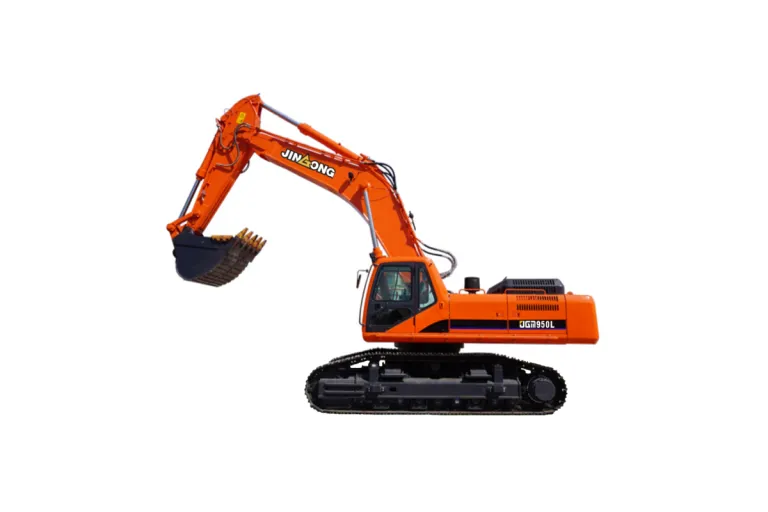
**Traditional excavators**, often referred to simply as excavators, are larger machines designed for more extensive digging and earthmoving tasks. They feature a rotating superstructure mounted on tracks or wheels, allowing for significant reach and digging depth.
4.1 Key Features of Traditional Excavators
- **Powerful Performance**: Built for heavy-duty tasks, such as large-scale excavations.
- **Extended Reach**: Capable of reaching deeper and moving larger volumes of material.
- **Stability**: Equipped with tracks that provide stability on uneven terrain.
5. Key Differences Between Skid Steer and Traditional Excavators
Understanding the fundamental differences between these two types of excavators will help you determine which machine is better suited for your project. Below are some of the key distinctions:
5.1 Size and Weight
Skid steer excavators are significantly smaller and lighter than traditional excavators. This compact nature allows them to navigate narrow spaces where larger machines cannot operate.
5.2 Performance and Capability
Traditional excavators excel in heavy-duty tasks, offering superior digging power and capacity. They can manage larger workloads and handle more extensive operations than skid steers.
5.3 Versatility and Attachments
Skid steers shine in versatility, with a wide range of attachments available for various tasks. Traditional excavators, while having some attachment options, are primarily designed for digging and lifting.
5.4 Maneuverability
Skid steers are known for their maneuverability, making them perfect for confined job sites. Traditional excavators, while still agile, are less able to navigate tight spaces due to their size.
6. Advantages of Skid Steer Excavators
Choosing a skid steer excavator comes with a host of benefits:
6.1 Cost-Effective
Skid steers are generally more affordable to purchase or rent compared to traditional excavators. Their lower operational costs can be a significant advantage, especially for smaller projects.
6.2 Easy to Transport
Due to their compact size, skid steer excavators are easier to transport between job sites, saving time and transportation costs.
6.3 High Versatility
With various attachments available, skid steers can perform multiple tasks beyond just excavation, including landscaping, snow removal, and material handling.
7. Advantages of Traditional Excavators
While skid steers offer significant benefits, traditional excavators also come with compelling advantages:
7.1 Powerful Performance
For heavy-duty operations requiring significant digging force, traditional excavators outperform skid steers, making them the preferred choice for large construction projects.
7.2 Stability and Reach
The design of traditional excavators provides better stability, especially on uneven terrain. They also have a longer reach, allowing them to access deeper areas without repositioning.
7.3 Ideal for Large Projects
If you're working on substantial excavation projects, traditional excavators are more suited to handle larger volumes of material efficiently.
8. Cost Considerations for Both Options
When deciding between skid steer and traditional excavators, understanding the financial implications is crucial.
8.1 Purchase and Rental Costs
Skid steers generally have lower purchase and rental costs compared to traditional excavators. However, traditional excavators might offer better ROI for large-scale projects due to their increased efficiency.
8.2 Maintenance Costs
Skid steers may have lower maintenance costs due to their simpler mechanics. On the other hand, traditional excavators may require more frequent repairs and servicing, especially if used in demanding environments.
9. Maintenance and Repair: A Comparative View
Regular maintenance is vital for the longevity of any heavy machinery.
9.1 Skid Steer Maintenance
Skid steer excavators typically have straightforward maintenance requirements. Regular oil changes, filter replacements, and routine inspections can keep them running smoothly.
9.2 Traditional Excavator Maintenance
Traditional excavators often require more extensive maintenance due to their complexity. It’s essential to invest in a reliable service plan to ensure optimal performance.
10. Which One is Right for You?
Choosing between a skid steer and a traditional excavator depends largely on your specific needs.
10.1 Project Scope
If your project involves large-scale excavation, a traditional excavator may be the better choice. For smaller projects or those requiring versatility, a skid steer could be ideal.
10.2 Job Site Conditions
For those working in tight or confined spaces, skid steer excavators excel in maneuverability. Conversely, traditional excavators are best suited for open job sites where stability and power are prioritized.
11. Frequently Asked Questions
11.1 What is the primary use of skid steer excavators?
Skid steer excavators are primarily used for smaller, versatile tasks such as landscaping, material handling, and minor excavation work.
11.2 Can traditional excavators operate in tight spaces?
While traditional excavators can operate in some confined spaces, they are less maneuverable compared to skid steers.
11.3 How do the fuel efficiencies compare between the two types?
Generally, skid steer excavators tend to be more fuel-efficient than traditional excavators, especially for smaller tasks.
11.4 What are the typical attachment options for skid steer excavators?
Common attachments for skid steers include buckets, augers, forks, and grapples, making them extremely versatile.
11.5 Are there situations where both types of excavators can be used together?
Yes, many projects can benefit from using both skid steer and traditional excavators, leveraging the strengths of each for different tasks.
12. Conclusion
In summary, both skid steer excavators and traditional excavators have their unique strengths and weaknesses. Understanding these differences is key to selecting the right equipment for your construction project. Skid steers offer versatility and maneuverability, making them ideal for smaller tasks, while traditional excavators provide the power and stability necessary for larger operations. By considering your specific project needs, budget, and job site conditions, you can make an informed choice that ensures the success of your construction endeavors. Ultimately, whether you choose a skid steer or a traditional excavator, having the right equipment will significantly influence your project's outcome.









Most popular construction machine manufacturer since 1979 — JGM Machine