

HUATAO GROUP
BLOGS
Most popular construction machine manufacturer since 1979 — JGM Machine
VIEW PRODUCTSscroll down
Safety First: Best Practices for Operating Backhoe Excavators
Safety First: Best Practices for Operating Backhoe Excavators
Table of Contents
1. Introduction: The Importance of Safety in Backhoe Operation
2. Understanding Backhoe Excavators: Construction and Functionality
3. Key Safety Regulations for Operating Backhoe Excavators
4. Pre-Operational Checks: Ensuring Equipment Readiness
5. Operational Best Practices for Backhoe Excavators
May 05,2026

Safety First: Best Practices for Operating Backhoe Excavators
Table of Contents
- 1. Introduction: The Importance of Safety in Backhoe Operation
- 2. Understanding Backhoe Excavators: Construction and Functionality
- 3. Key Safety Regulations for Operating Backhoe Excavators
- 4. Pre-Operational Checks: Ensuring Equipment Readiness
- 5. Operational Best Practices for Backhoe Excavators
- 6. Site Safety Management: Creating a Safe Work Environment
- 7. Emergency Procedures: Responding to Accidents Effectively
- 8. Ongoing Training: Keeping Operators Informed and Prepared
- 9. Conclusion: Prioritizing Safety in Backhoe Excavator Operations
- 10. FAQs About Backhoe Excavator Safety Practices
1. Introduction: The Importance of Safety in Backhoe Operation
Operating a backhoe excavator involves significant risks that can lead to severe injuries or fatalities if not managed effectively. The importance of safety cannot be overstated in this high-stakes environment. Ensuring a safe workplace requires comprehensive knowledge of both the equipment and the best practices associated with its operation. This article serves as a guide to promote safety in backhoe operations, highlighting essential practices that operators must adopt to safeguard themselves and their coworkers.
2. Understanding Backhoe Excavators: Construction and Functionality
Backhoe excavators are versatile construction machines designed for digging, lifting, and moving materials. They consist of a digging bucket attached to a two-part articulated arm, which provides a range of motion. Understanding the construction and functionality of backhoe excavators is crucial for operators, as it allows them to maximize the machine's capabilities while ensuring safety.
2.1 Components of a Backhoe Excavator
The primary components of a backhoe excavator include:
- **Digging Bucket**: The front attachment used for excavation.
- **Loader Arm**: The boom that connects the bucket to the machine.
- **Stabilizers**: Used to secure the backhoe during operation, preventing tipping.
- **Cab**: The operator's compartment where controls are located.
- **Tracks or Tires**: Provide mobility on various terrains.
2.2 Types of Backhoe Excavators
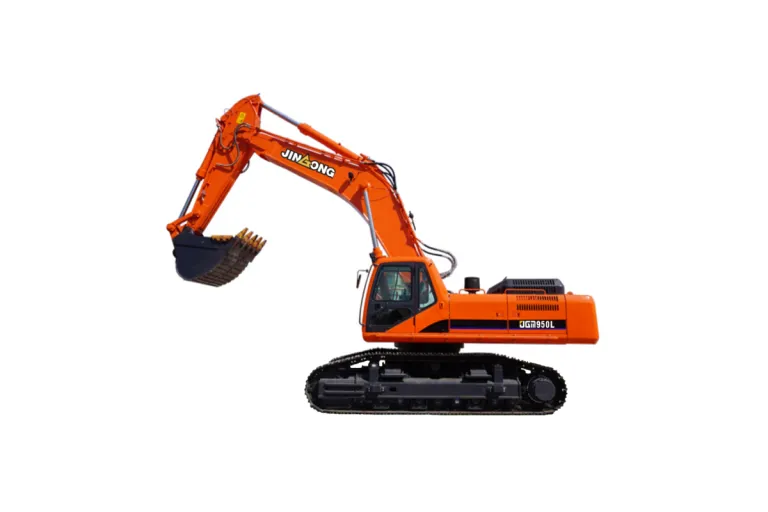
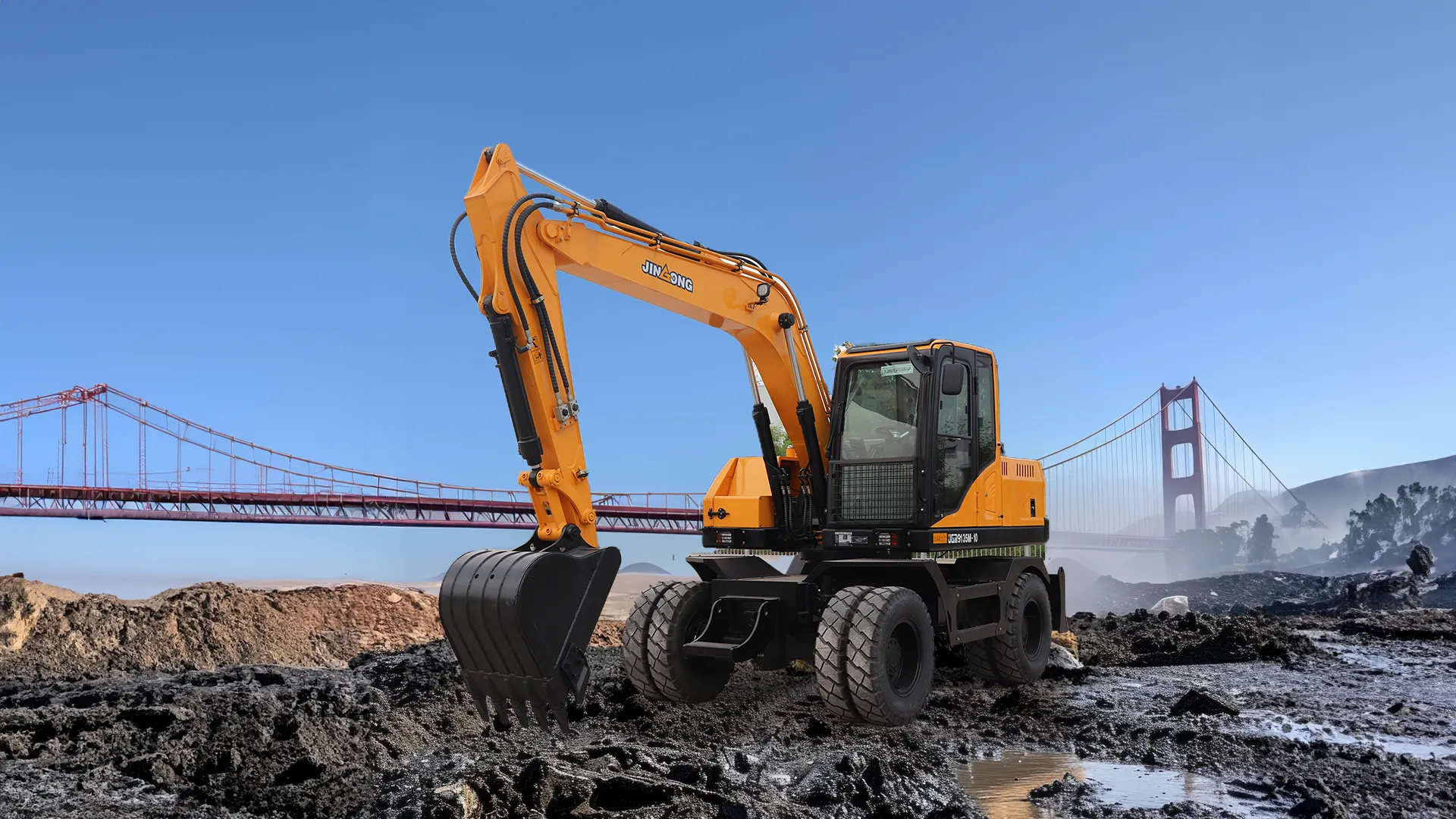
There are generally two types of backhoe excavators: wheeled and tracked. Wheeled backhoe excavators are favored for their speed and maneuverability on paved surfaces, while tracked models offer enhanced stability and traction on rough terrains. Selecting the right type based on job site conditions is essential for effective and safe operation.
3. Key Safety Regulations for Operating Backhoe Excavators
Compliance with safety regulations is mandatory for all backhoe operators. The Occupational Safety and Health Administration (OSHA) and local government regulations outline the necessary safety measures to mitigate risks associated with backhoe operation.
3.1 OSHA Guidelines
OSHA provides specific guidelines for heavy equipment operation, which include:
- Mandatory training for operators.
- Regular inspections of the equipment.
- Proper use of personal protective equipment (PPE).
- Safety protocols for working near overhead power lines.
3.2 Local Regulations
In addition to federal guidelines, operators should familiarize themselves with state and local regulations that may impose additional requirements concerning backhoe operation.
4. Pre-Operational Checks: Ensuring Equipment Readiness
Before operating a backhoe excavator, conducting thorough pre-operational checks is vital. These checks ensure that the equipment is in safe working condition and can perform the necessary tasks without risking the operator's safety.
4.1 Daily Inspection Checklist
Operators should follow a daily inspection checklist that includes:
- **Fluid Levels**: Check oil, hydraulic fluid, and coolant levels.
- **Brake Functionality**: Ensure that brakes are responsive and functional.
- **Stabilizers**: Confirm stabilizers are in good condition and functioning properly.
- **Lights and Horn**: Test all lights and the horn to ensure visibility and communication on site.
- **Wear and Tear**: Inspect buckets and other attachments for any signs of damage or excessive wear.
4.2 Reporting Issues
Any identified issues during pre-operational checks must be reported immediately, and the equipment should not be operated until repairs are made.
5. Operational Best Practices for Backhoe Excavators
Operating a backhoe excavator involves various best practices that enhance both safety and efficiency. Following these guidelines can significantly reduce the likelihood of accidents on the job site.
5.1 Proper Loading Techniques
When loading materials, ensure that the load is stable and evenly distributed. Avoid overloading the bucket, which can lead to tipping or loss of control.
5.2 Maintaining Proper Visibility
Visibility is crucial while operating a backhoe excavator. Always ensure that the work area is clear of obstacles, and use mirrors and cameras if equipped to enhance visibility.
5.3 Communicating with Ground Personnel
Establish a clear communication system with ground personnel. Use hand signals or radios to ensure everyone is aware of the operation and to prevent accidents.
5.3.1 Setting Up a Communication Protocol
Before starting work, establish a communication protocol that includes signals for starting, stopping, and other essential instructions. Regularly brief all personnel on safety expectations and communication methods.
6. Site Safety Management: Creating a Safe Work Environment
Creating a safe work environment requires proactive site safety management practices. Operators must be vigilant and aware of the surroundings at all times.
6.1 Hazard Identification
Identify potential hazards on the job site, such as uneven ground, overhead power lines, and nearby pedestrian traffic. Implement strategies to mitigate these risks.
6.2 Establishing Safe Zones
Designate safe zones for personnel where they can work without the immediate danger posed by heavy machinery. Ensure that these zones are clearly marked and communicated to all workers.
7. Emergency Procedures: Responding to Accidents Effectively
Even with the best practices in place, accidents can occur. Having a well-defined emergency response plan can make a significant difference in outcomes.
7.1 Emergency Response Plan Components
An effective emergency response plan should include:
- **Evacuation Procedures**: Clear instructions on how to evacuate the site safely.
- **First Aid Protocols**: Access to first aid kits and trained personnel on-site.
- **Reporting Procedures**: A system for reporting accidents to management and authorities.
7.2 Training for Emergency Situations
Regularly train operators and site workers on emergency procedures. Conduct drills to ensure everyone knows their roles and responsibilities during an emergency.
8. Ongoing Training: Keeping Operators Informed and Prepared
Ongoing training is essential for maintaining a safe operational environment. It ensures that operators stay updated on the latest safety regulations and best practices.
8.1 Types of Training Programs
Invest in comprehensive training programs that cover:
- **Equipment Operation**: In-depth training on operating a backhoe excavator.
- **Safety Protocols**: Regular updates on safety regulations and best practices.
- **Emergency Response**: Training on emergency procedures and first aid.
8.2 Certification and Recertification
Encourage operators to obtain certifications and participate in recertification programs to enhance their skills and knowledge.
9. Conclusion: Prioritizing Safety in Backhoe Excavator Operations
Safety should always be the foremost concern when operating backhoe excavators. By adhering to best practices, regulations, and ongoing training, operators can significantly reduce the risks associated with this powerful machinery. A commitment to safety not only protects operators but also enhances productivity and fosters a culture of responsibility on the job site.
10. FAQs About Backhoe Excavator Safety Practices
10.1 What are the primary safety risks associated with backhoe excavators?
The primary safety risks include tipping over, collisions with personnel or objects, and equipment malfunction.
10.2 How often should pre-operational checks be conducted?
Pre-operational checks should be conducted daily before the start of any operation.
10.3 What type of personal protective equipment (PPE) is necessary for operating backhoe excavators?
Essential PPE includes hard hats, safety boots, high-visibility clothing, gloves, and eye protection.
10.4 How can visibility be improved while operating a backhoe excavator?
Operators can improve visibility by keeping the work area clear of obstacles, using mirrors, and equipping the machine with cameras.
10.5 What should be done if an accident occurs on-site?
Immediately activate the emergency response plan, providing first aid if necessary, and report the incident to management and relevant authorities.









Most popular construction machine manufacturer since 1979 — JGM Machine