

HUATAO GROUP
BLOGS
Most popular construction machine manufacturer since 1979 — JGM Machine
VIEW PRODUCTSscroll down
Choosing the Right Attachments for Your Wheeled Excavator: Maximize Efficiency and Versatility
Choosing the Right Attachments for Your Wheeled Excavator
Table of Contents
1. Introduction to Wheeled Excavators
2. Importance of Choosing the Right Attachments
3. Types of Attachments for Wheeled Excavators
3.1 Buckets
3.2 Hydraulic Hammers
3.3 Thumbs
3.4 Spreader Bars
3.5 Augers
4. Key Considerat
Apr 25,2026

Choosing the Right Attachments for Your Wheeled Excavator
Table of Contents
- 1. Introduction to Wheeled Excavators
- 2. Importance of Choosing the Right Attachments
- 3. Types of Attachments for Wheeled Excavators
- 4. Key Considerations When Choosing Attachments
- 5. Ensuring Compatibility with Your Excavator
- 6. Maintenance Tips for Attachments
- 7. Cost-Benefit Analysis of Attachments
- 8. FAQs About Wheeled Excavator Attachments
- 9. Conclusion
1. Introduction to Wheeled Excavators
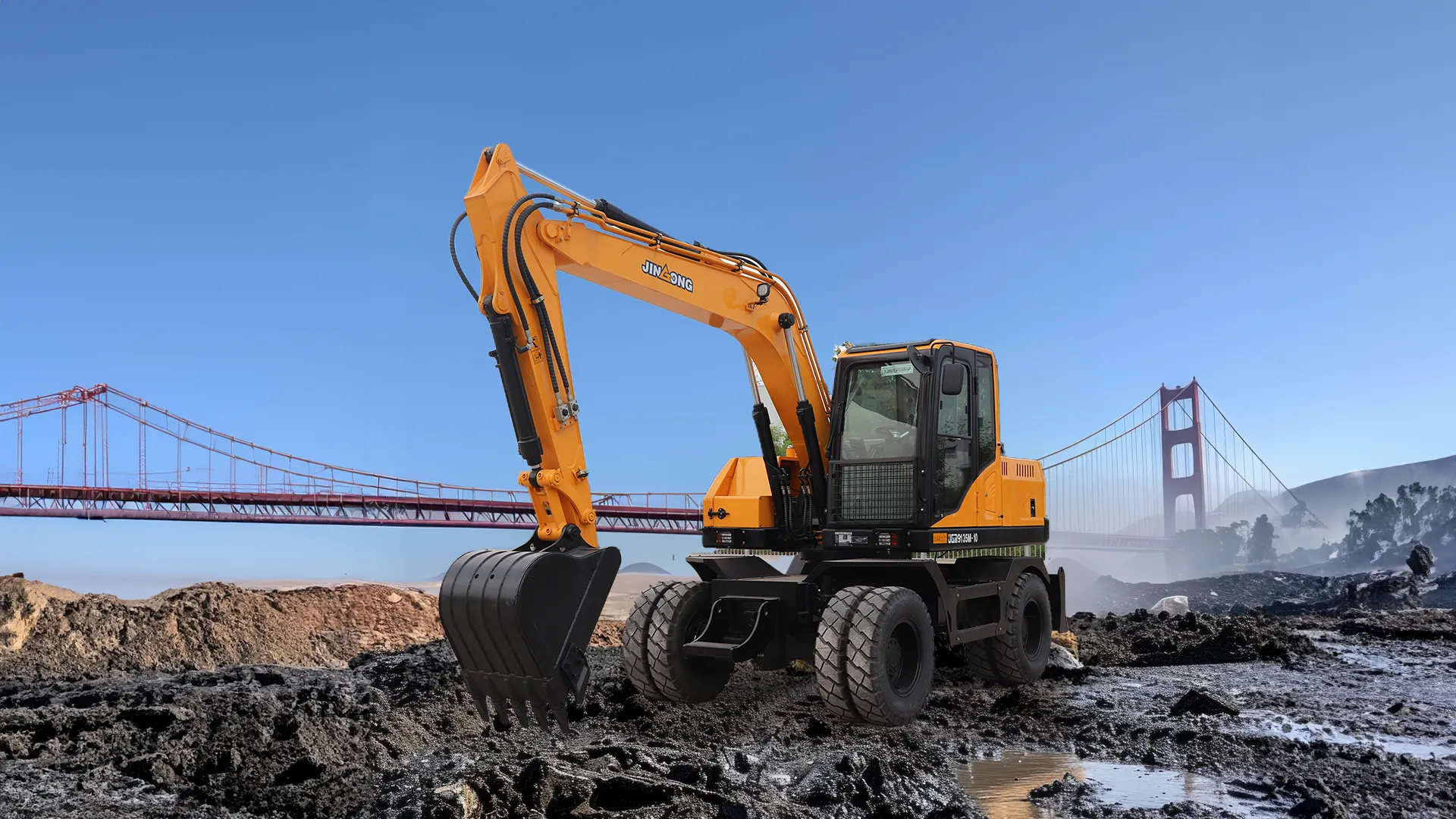
Wheeled excavators are versatile machines designed to handle a variety of tasks in construction and demolition projects. Unlike their tracked counterparts, wheeled excavators offer greater mobility and speed, making them ideal for urban environments or sites with limited space. These machines are equipped with a boom, arm, and bucket, forming the core components for excavation tasks. However, the true power of a wheeled excavator lies in its ability to adapt to different jobs through various attachments.
2. Importance of Choosing the Right Attachments
Selecting the appropriate attachments for your wheeled excavator can significantly enhance its performance, efficiency, and versatility on the job site. The right attachments allow operators to perform multiple functions, reducing the need for additional machinery and labor, ultimately leading to cost savings. This versatility is particularly advantageous in projects that require a range of tasks, such as digging, lifting, or demolition. Therefore, understanding the attachment options available is crucial for maximizing the capabilities of your wheeled excavator.
3. Types of Attachments for Wheeled Excavators
Wheeled excavators can be fitted with a variety of attachments, each designed for specific applications. Here are some of the most common attachments used with wheeled excavators:
3.1 Buckets
Buckets are among the most commonly used attachments for wheeled excavators. Available in various sizes and shapes, buckets can be tailored to suit different tasks, such as digging, lifting, and transporting materials. Choosing the right bucket size and type is essential for optimizing performance. For instance, a standard digging bucket is ideal for earthmoving, while a trenching bucket is designed for creating narrow trenches.
3.2 Hydraulic Hammers
Hydraulic hammers are powerful attachments that convert the hydraulic power of the excavator into high-impact force. These are particularly useful for breaking concrete, asphalt, and other hard surfaces. When selecting a hydraulic hammer, consider the weight and energy class to ensure it is compatible with your wheeled excavator's capabilities.
3.3 Thumbs
Thumbs are versatile attachments that can be used in conjunction with buckets to enhance material handling capabilities. They enable operators to grasp and manipulate larger objects, such as boulders or debris, making them invaluable for demolition and landscaping projects. The right thumb attachment can significantly improve productivity by allowing for more efficient loading, unloading, and transporting of materials.
3.4 Spreader Bars
Spreader bars are essential for lifting and stabilizing loads during hoisting operations. They help distribute the weight of heavy loads evenly, minimizing the risk of tipping or instability. When lifting large materials or conducting complex operations, using a spreader bar can enhance safety and efficiency.
3.5 Augers
Augers are specialized attachments for drilling holes in various materials, including soil, ice, and even concrete. They are particularly useful in applications such as foundation work, fence post installation, and landscaping. The size and type of auger chosen will depend on the specific drilling requirements and soil conditions.
4. Key Considerations When Choosing Attachments
When selecting attachments for your wheeled excavator, consider the following factors to ensure optimal performance:
1. **Project Requirements**: Analyze the specific tasks you need to accomplish. Different projects may require different types of attachments to achieve the desired results.
2. **Weight Capacity**: Ensure that the attachments you choose do not exceed the weight capacity of your wheeled excavator. Overloading can lead to equipment damage and safety hazards.
3. **Compatibility**: Check the compatibility of the attachments with your excavator model. This includes mounting systems, hydraulic connections, and operational requirements.
4. **Durability**: Look for attachments made from high-quality materials that are designed to withstand rigorous use. Investing in durable attachments will reduce the frequency of repairs and replacements.
5. **Cost**: Consider your budget and the potential return on investment. While high-quality attachments may have a higher upfront cost, they can lead to greater efficiency and savings in the long run.
5. Ensuring Compatibility with Your Excavator
Compatibility is a crucial aspect when choosing attachments for your wheeled excavator. Each excavator model has specific mounting systems and hydraulic requirements that must be matched with the attachments. To ensure compatibility, consult your excavator's operation manual or reach out to the manufacturer for guidance. Additionally, consider the following tips:
- **Attachment Brands**: Some attachments are designed specifically for certain brands of excavators. Using brand-approved attachments can help maintain warranty coverage and ensure optimal performance.
- **Hydraulic Flow Rates**: Different attachments may require varying hydraulic flow rates. Ensure your excavator's hydraulic system can accommodate the attachment's requirements.
- **Mounting Systems**: Verify that the attachment's mounting system aligns with your excavator's. Some models may require an adapter for proper installation.
6. Maintenance Tips for Attachments
Proper maintenance of attachments is essential for their longevity and performance. Here are some maintenance tips to consider:
- **Regular Inspections**: Frequently check attachments for signs of wear, damage, or loose components. Addressing issues early can prevent more significant problems down the line.
- **Cleaning**: Keep attachments clean and free from debris to ensure optimal performance. Dirt and mud can cause mechanical issues and reduce efficiency.
- **Lubrication**: Regularly lubricate moving parts of attachments to reduce friction and wear. Follow the manufacturer's recommendations for lubrication intervals and products.
- **Proper Storage**: Store attachments in a dry, sheltered area to protect them from the elements. This will help prevent rust and corrosion, extending their lifespan.
- **Professional Servicing**: For complex repairs or maintenance, seek professional assistance. Trained technicians can address potential issues that may arise with attachments.
7. Cost-Benefit Analysis of Attachments
When investing in attachments for your wheeled excavator, performing a cost-benefit analysis can help you make informed decisions. Here are some factors to consider:
1. **Initial Investment**: Evaluate the upfront cost of the attachment versus its expected lifespan and performance.
2. **Operational Efficiency**: Consider how the attachment will enhance the efficiency of your operations. An attachment that speeds up a specific task may justify a higher initial cost.
3. **Labor Savings**: Assess whether using an attachment can reduce labor costs by streamlining operations and minimizing the need for additional crew members.
4. **Versatility**: Determine how many different tasks the attachment can perform. Multi-functional attachments can provide greater value by enabling diverse applications without needing multiple machines.
5. **Resale Value**: Consider the potential resale value of the attachment when it's no longer needed. High-quality attachments tend to retain their value better than lower-quality options.
8. FAQs About Wheeled Excavator Attachments
What types of attachments can I use with my wheeled excavator?
You can use various attachments, including buckets, hydraulic hammers, thumbs, augers, and spreader bars, depending on the tasks you need to perform.
How do I know which size bucket to choose for my excavator?
The bucket size should correspond to your project requirements and the specifications of your excavator. Consult the manufacturer’s guidelines for recommendations based on your machine's capabilities.
Do I need special tools to change attachments?
Most attachments can be changed using standard tools, but some may require specialized equipment. Always consult the attachment's manual for specific instructions.
How often should I perform maintenance on attachments?
Regular inspections should be conducted weekly, with more thorough maintenance performed monthly or quarterly, depending on usage. Always refer to the manufacturer's recommendations.
Can I use attachments from different brands on my excavator?
While some attachments may be compatible across brands, it’s essential to check compatibility regarding mounting systems and hydraulic connections. Always consult with your excavator's manufacturer for guidance.
9. Conclusion
Choosing the right attachments for your wheeled excavator is essential for maximizing its capabilities and productivity on various job sites. By understanding the available attachment types, considering compatibility and maintenance, and conducting a thorough cost-benefit analysis, you can make informed decisions that lead to enhanced efficiency and performance. Investing time in selecting and maintaining the right attachments will not only improve your operational workflow but can also result in significant cost savings in the long run. Ensure you make the most of your wheeled excavator by equipping it with the appropriate attachments tailored to your specific needs.









Most popular construction machine manufacturer since 1979 — JGM Machine