

HUATAO GROUP
BLOGS
Most popular construction machine manufacturer since 1979 — JGM Machine
VIEW PRODUCTSscroll down
Understanding the Different Types of Skid Steer Excavators Available: A Comprehensive Guide
Understanding the Different Types of Skid Steer Excavators Available
Table of Contents
Introduction to Skid Steer Excavators
What is a Skid Steer Excavator?
Types of Skid Steer Excavators
1. Wheel Excavators
2. Tracked Excavators
3. High-Flow Excavators
Key Features and Benefits of Skid Steer Excavators
Common Applicat
Feb 04,2026

Understanding the Different Types of Skid Steer Excavators Available
Table of Contents
- Introduction to Skid Steer Excavators
- What is a Skid Steer Excavator?
- Types of Skid Steer Excavators
- Key Features and Benefits of Skid Steer Excavators
- Common Applications for Skid Steer Excavators
- How to Choose the Right Skid Steer Excavator
- Maintenance Tips for Skid Steer Excavators
- Conclusion
- Frequently Asked Questions
Introduction to Skid Steer Excavators
In the bustling world of construction and engineering, **skid steer excavators** stand out for their versatility and efficiency. These compact machines can navigate tight spaces while performing a wide range of tasks, from digging to material handling. Their unique design and functionality make them indispensable in various projects.
What is a Skid Steer Excavator?
A **skid steer excavator** is a small, engine-powered machine equipped with a rigid frame and a lift arm that can attach to a variety of implements. Unlike traditional excavators, skid steers use a unique **skid-steering** mechanism that allows them to pivot within their own footprint, making them ideal for confined job sites. They are typically used for:
- **Excavation**
- **Landscaping**
- **Construction tasks**
- **Demolition**
Types of Skid Steer Excavators
When selecting a skid steer excavator, understanding the different types available is crucial. Here’s a closer look at the main categories:
1. Wheel Excavators
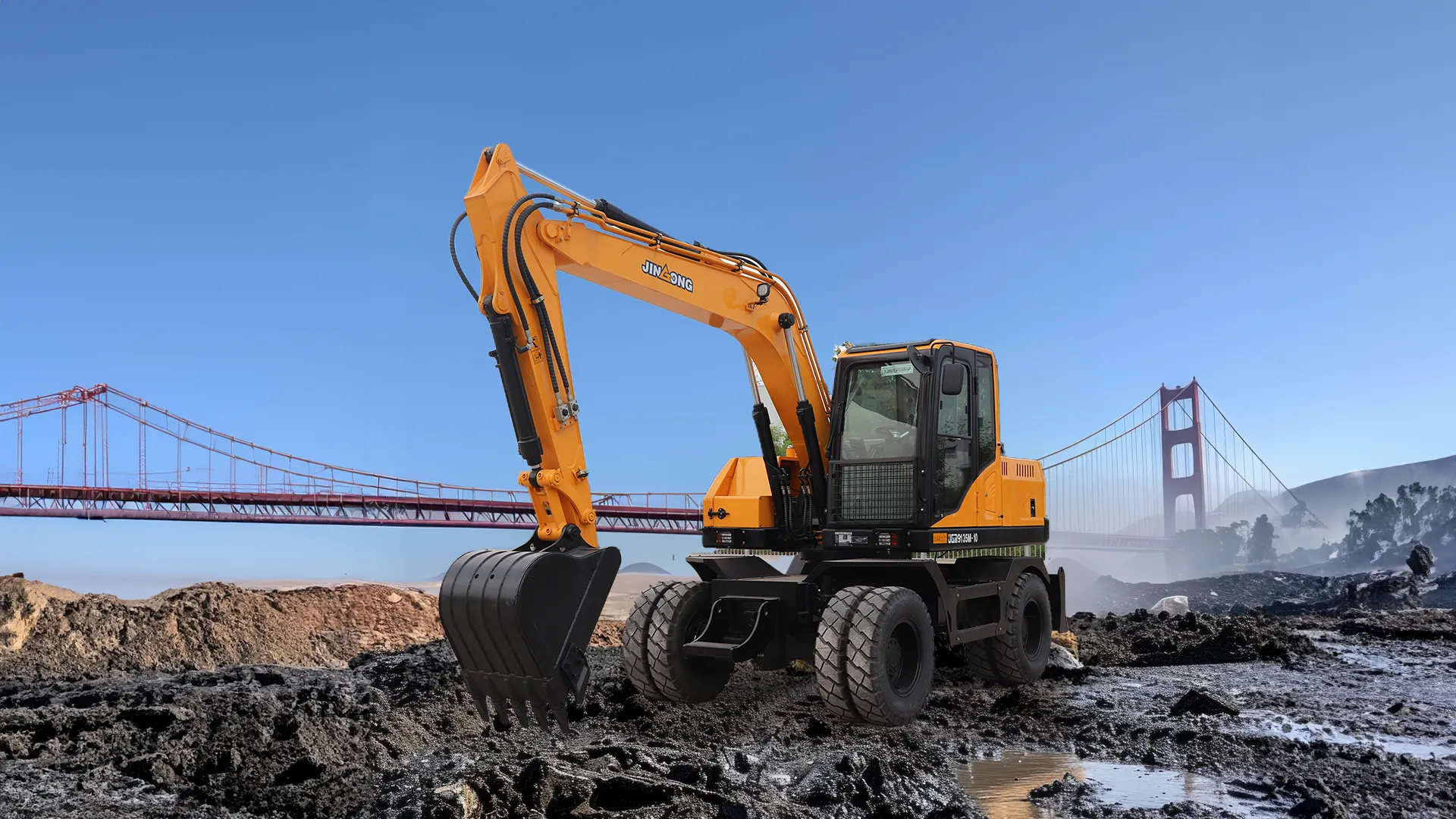
**Wheel excavators** are popular for their speed and maneuverability. These machines feature four wheels, making them suitable for hard, flat surfaces. They excel in urban construction sites and are known for:
- **Faster travel speed**
- **Lower ground disturbance**
- **Ease of transport between job sites**
Wheel skid steers are often chosen for projects requiring quick movement and minimal ground impact.
2. Tracked Excavators
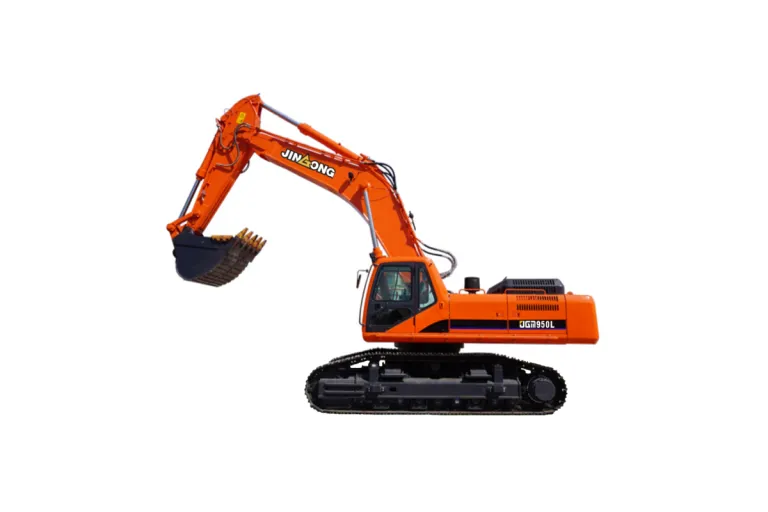
**Tracked excavators** feature continuous rubber tracks instead of wheels, providing better stability and traction on uneven surfaces. They are perfect for:
- **Soft or muddy terrain**
- **Construction sites requiring extensive digging**
The ability to distribute weight evenly across the tracks minimizes ground pressure, making tracked skid steers the preferred choice for more challenging environments.
3. High-Flow Excavators
**High-flow excavators** are specialized machines designed for heavy-duty tasks. They are equipped with hydraulic systems capable of powering high-flow attachments. Benefits include:
- **Increased productivity**
- **Capability to operate advanced attachments like mulchers and stump grinders**
These machines are ideal for large-scale projects where heavy lifting and rapid operation are necessary.
Key Features and Benefits of Skid Steer Excavators
Understanding the features of skid steer excavators can help you maximize their potential. Here are some essential features:
- **Compact Size**: Their small footprint allows them to operate in tight spaces, making them suitable for urban environments.
- **Versatile Attachments**: Skid steers can be fitted with various attachments, such as buckets, forks, and augers, enhancing their functionality.
- **Easy Operation**: Most skid steers are equipped with intuitive controls, allowing operators to quickly learn how to use them.
- **Low Operating Costs**: Compared to larger excavators, skid steers often have lower maintenance and operational costs.
These features translate into significant benefits, making them a vital asset for contractors and construction companies.
Common Applications for Skid Steer Excavators
The versatility of skid steer excavators allows them to be utilized in numerous applications. Here are some of the most common uses:
- **Site Preparation**: Perfect for clearing land and leveling the ground before construction begins.
- **Landscaping**: Ideal for moving soil, rocks, and materials when designing outdoor spaces.
- **Demolition**: Effective in removing debris and performing light demolition work.
- **Paving and Grading**: Used for grading surfaces and assisting in paving operations.
- **Agriculture**: Useful for various farm tasks, including digging trenches and moving feed.
Each of these applications showcases the adaptability of skid steer excavators in different sectors.
How to Choose the Right Skid Steer Excavator
Selecting the right skid steer excavator is critical for the success of your project. Consider the following factors:
- **Project Size**: The scale of your project often dictates the size and type of excavator you'll need. For larger projects, consider a high-flow or tracked excavator.
- **Terrain Type**: Evaluate the terrain where you'll be operating. If working on soft ground, a tracked excavator may be more appropriate.
- **Attachment Requirements**: Determine which attachments you will need and ensure your chosen skid steer can accommodate them.
- **Budget**: Assess your budget for both purchase and maintenance costs. Sometimes, renting may be a more cost-effective option for short-term projects.
Making informed decisions based on these criteria will help ensure you choose the right skid steer excavator for your needs.
Maintenance Tips for Skid Steer Excavators
Proper maintenance is key to prolonging the lifespan of your skid steer excavator. Here are some essential maintenance tips:
- **Regular Inspections**: Conduct routine checks on hydraulic systems, tracks, and attachments to ensure optimal performance.
- **Clean the Machine**: Regularly clean the exterior and undercarriage to prevent debris buildup, which can lead to mechanical issues.
- **Fluid Levels**: Regularly check and top off engine oil, hydraulic fluid, and coolant to maintain functionality.
- **Tire and Track Maintenance**: Inspect tires and tracks for wear and tear. Replace them as needed to ensure safe operation.
- **Professional Servicing**: Schedule regular service appointments with a qualified technician for thorough inspections and maintenance work.
Following these tips can help you maintain the efficiency and reliability of your skid steer excavator.
Conclusion
In conclusion, understanding the different types of skid steer excavators available enables you to make informed decisions tailored to your specific project needs. Whether you are navigating tight urban spaces or tackling rough terrain, there is a skid steer excavator designed to meet your requirements. Choosing the right type, taking care of maintenance, and understanding their versatility can significantly enhance your productivity and project efficiency. We encourage you to consider these factors carefully and leverage your skid steer excavator to its fullest potential.
Frequently Asked Questions
1. What is the average lifespan of a skid steer excavator?
The average lifespan of a skid steer excavator is typically between 5,000 to 10,000 hours of operation, depending on maintenance and usage conditions.
2. Can skid steer excavators operate in winter conditions?
Yes, skid steer excavators can operate in winter conditions, but it’s advisable to equip them with appropriate attachments like snow plows or buckets designed for snow removal.
3. What types of attachments are available for skid steer excavators?
Common attachments include buckets, forks, augers, snow plows, grapples, and high-flow attachments for specialized tasks.
4. How do I transport a skid steer excavator?
Skid steer excavators are typically transported on flatbed trailers. Ensure the machine is securely fastened and adhere to weight restrictions while transporting.
5. What should I do if my skid steer excavator experiences a hydraulic leak?
If you notice a hydraulic leak, immediately stop operation and inspect the machine. It’s advisable to consult a professional mechanic for repairs to ensure safety and functionality.









Most popular construction machine manufacturer since 1979 — JGM Machine