

HUATAO GROUP
BLOGS
Most popular construction machine manufacturer since 1979 — JGM Machine
VIEW PRODUCTSscroll down
Hydraulic Backhoe Excavators: Essential Tools for Efficient Earthmoving Projects
Hydraulic Backhoe Excavators: Essential Tools for Efficient Earthmoving Projects
Table of Contents
Introduction to Hydraulic Backhoe Excavators
Understanding Hydraulic Backhoe Excavators
Key Features of Hydraulic Backhoe Excavators
Advantages of Using Backhoe Excavators in Earthmoving
Applications of Hydraulic Backhoe Excavators in Construction
Maintenance Tips for Hydra
Jan 25,2026

Hydraulic Backhoe Excavators: Essential Tools for Efficient Earthmoving Projects
Table of Contents
- Introduction to Hydraulic Backhoe Excavators
- Understanding Hydraulic Backhoe Excavators
- Key Features of Hydraulic Backhoe Excavators
- Advantages of Using Backhoe Excavators in Earthmoving
- Applications of Hydraulic Backhoe Excavators in Construction
- Maintenance Tips for Hydraulic Backhoe Excavators
- Choosing the Right Backhoe Excavator for Your Project
- Future Trends in Hydraulic Backhoe Excavators
- FAQs About Hydraulic Backhoe Excavators
- Conclusion
Introduction to Hydraulic Backhoe Excavators
In the realm of construction and earthmoving, **hydraulic backhoe excavators** stand out as indispensable equipment. These versatile machines combine digging, lifting, and material handling capabilities, making them essential for a wide array of projects. Understanding the intricacies of hydraulic backhoe excavators can significantly enhance project efficiency and productivity. This article delves into their features, applications, and the advantages they offer to construction professionals.
Understanding Hydraulic Backhoe Excavators
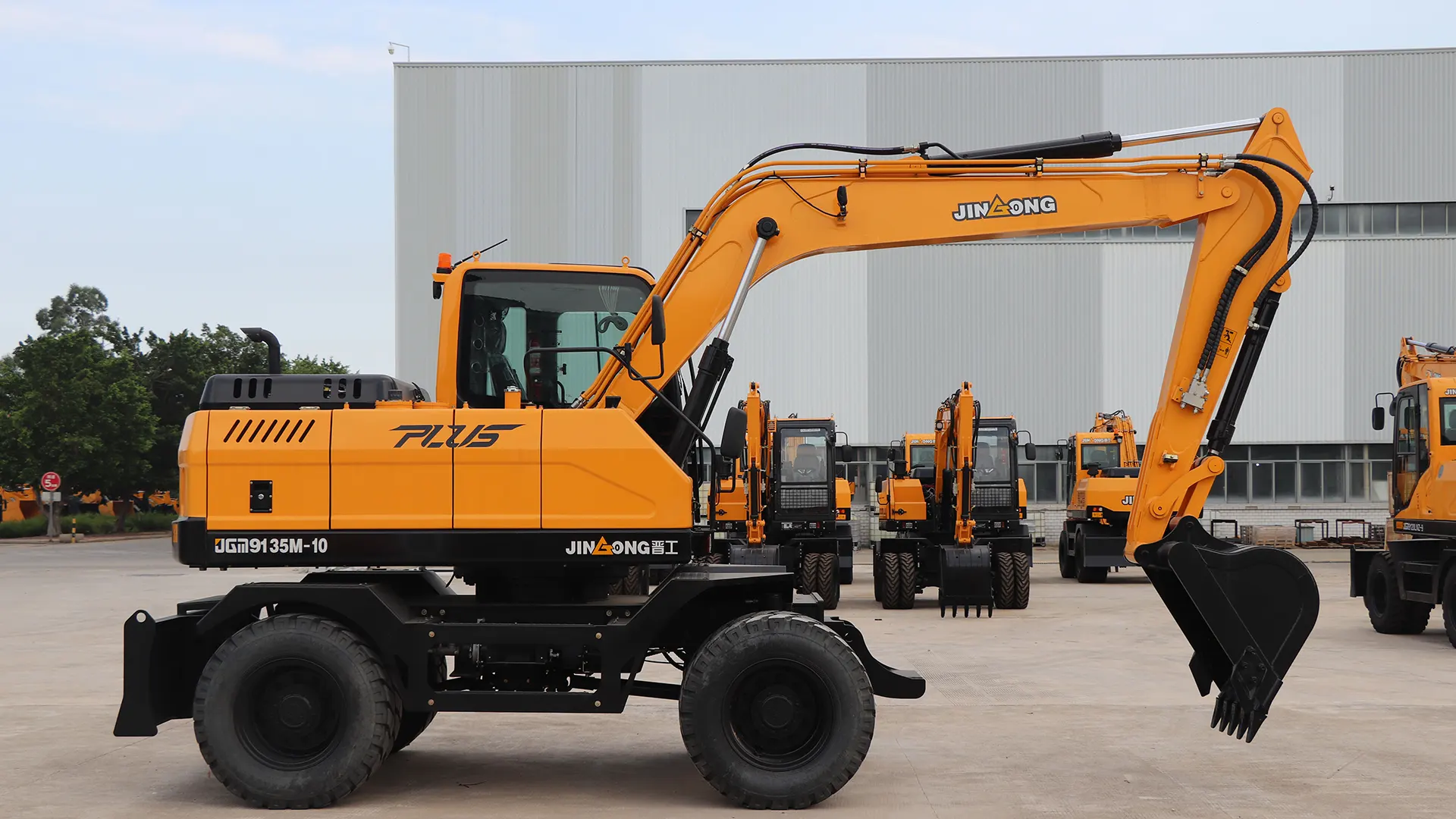
Hydraulic backhoe excavators are heavy-duty construction machines equipped with a hydraulic arm that can extend and retract, allowing for a range of motion ideal for digging and moving materials. The machine's design typically includes a **bucket** at one end and a **stabilizer** at the other, ensuring stability while digging. The hydraulic system facilitates powerful movements, enabling operators to perform tasks that would otherwise require multiple machines.
The Components of Hydraulic Backhoe Excavators
The main components of hydraulic backhoe excavators include:
- **Engine**: Powers the hydraulic system and other machinery functions.
- **Hydraulic System**: Comprises pumps, cylinders, and valves that manage movement and force.
- **Boom**: The long arm that extends from the excavator's body, providing reach for digging.
- **Bucket**: Attached to the end of the boom, used for scooping and lifting materials.
- **Stabilizers**: Provide balance and support during operation, particularly when digging deep holes.
- **Cab**: The operator's area, equipped with controls for seamless operation.
How Hydraulic Systems Work
Hydraulic systems in backhoe excavators use pressurized fluid to transmit force. When the operator moves the control levers, hydraulic fluid flows through tubes and into the cylinders, creating movement. This system allows for precise control over the bucket's position and digging depth, making it an invaluable tool for earthmoving tasks.
Key Features of Hydraulic Backhoe Excavators
When selecting a hydraulic backhoe excavator, several features stand out that contribute to their efficacy in earthmoving projects:
Versatility
Hydraulic backhoe excavators can handle a variety of attachments, including grading buckets, rippers, and augers, making them suitable for different tasks such as excavation, landscaping, and demolition.
Compact Design
Many models are designed for ease of maneuverability in tight spaces, allowing them to operate effectively in urban environments or on smaller job sites where space is limited.
Power and Efficiency
Modern hydraulic backhoe excavators are engineered for fuel efficiency without sacrificing power, making them economically viable for prolonged use in large projects.
User-Friendly Controls
Advanced ergonomic controls enable operators to work more efficiently, reducing fatigue and increasing productivity. Controls are often designed to be intuitive, allowing for quick learning curves.
Advanced Safety Features
Safety is paramount in construction. Many backhoe excavators come equipped with features such as rollover protection systems (ROPS) and seatbelt reminders to enhance operator safety.
Advantages of Using Backhoe Excavators in Earthmoving
The advantages of hydraulic backhoe excavators extend beyond their physical capabilities. Incorporating these machines into earthmoving projects provides several key benefits:
Increased Productivity
Hydraulic backhoe excavators allow for rapid excavation, reducing the time needed to prepare sites. Their ability to perform multiple tasks efficiently means that projects can progress more quickly.
Cost-Effectiveness
By consolidating multiple functions into one machine, contractors can save on equipment rental costs and maintenance. Furthermore, their efficiency leads to lower labor costs over time.
Enhanced Precision
The hydraulic system's control capabilities allow for precise movements, ensuring that excavators can dig to exact specifications. This precision minimizes the need for rework.
Improved Safety
The stabilization features and user-friendly controls of backhoe excavators contribute to a safer work environment for operators and surrounding personnel.
Environmental Impact
Modern hydraulic backhoe excavators are designed to comply with stringent emissions regulations, helping reduce their environmental footprint during operations.
Applications of Hydraulic Backhoe Excavators in Construction
Hydraulic backhoe excavators serve numerous functions across various construction applications. Some notable uses include:
Excavation
Backhoe excavators excel in excavation tasks, whether for foundational work, trenching, or landscaping. Their digging capabilities allow for soil removal and site preparation effectively.
Material Handling
These machines can transport aggregate materials, making them essential for tasks like loading and unloading dirt, gravel, and debris.
Demolition
With the right attachments, backhoe excavators can be used for demolition, breaking down structures or clearing sites to make way for new construction.
Site Grading
Backhoe excavators can perform grading tasks, ensuring that surfaces are level and properly sloped for drainage and landscaping.
Utility Installation
Installing utilities such as water lines and electrical conduits is made simpler with backhoe excavators, which can dig trenches quickly and accurately.
Maintenance Tips for Hydraulic Backhoe Excavators
To ensure the longevity and reliability of hydraulic backhoe excavators, proper maintenance is crucial. Here are some essential tips:
Regular Inspections
Conduct routine inspections of the hydraulic system for leaks, worn hoses, and damaged components. Early detection can prevent costly repairs.
Fluid Checks
Monitor hydraulic fluid levels and maintain them within the manufacturer's recommended range. Check for contamination and replace fluids as necessary.
Cleaning
Keep the excavator clean to prevent dirt accumulation, which can lead to mechanical wear. Regularly wash the machine and inspect for signs of corrosion.
Scheduled Servicing
Follow the manufacturer's service schedule for oil changes, filter replacements, and component checks. This proactive approach ensures optimal performance.
Operator Training
Invest in comprehensive training for operators to minimize wear and tear on the machine through improper use. Well-trained operators can significantly extend the life of the equipment.
Choosing the Right Backhoe Excavator for Your Project
Selecting the right hydraulic backhoe excavator involves considering several factors:
Project Size and Scope
Assess the scale of your project. Larger projects may require heavy-duty models, while smaller tasks can be managed with compact excavators.
Attachment Compatibility
Ensure that the excavator can support the attachments necessary for your specific tasks. Compatibility can enhance functionality.
Operating Weight
Consider the ground conditions and whether the excavator's weight will be suitable for the terrain.
Budget Constraints
Evaluate your budget, factoring in the purchase price, maintenance costs, and potential rental expenses. Opt for equipment that provides the best value for your investment.
Future Trends in Hydraulic Backhoe Excavators
As technology evolves, so do hydraulic backhoe excavators. Here are some trends shaping the future of these machines:
Automation and Robotics
Advancements in automation technology are leading to the development of autonomous excavators, which can perform tasks with little or no human intervention.
Telematics Integration
The integration of telematics allows for real-time monitoring of machine performance, enhancing maintenance schedules and operational efficiency.
Eco-Friendly Designs
With a growing emphasis on sustainability, manufacturers are focusing on producing eco-friendly models that reduce emissions and fuel consumption.
Enhanced Safety Features
Future models are expected to include more advanced safety features, such as collision detection systems and improved visibility for operators.
FAQs About Hydraulic Backhoe Excavators
1. What is the average lifespan of a hydraulic backhoe excavator?
The average lifespan of a hydraulic backhoe excavator can range from 10,000 to 20,000 operating hours, depending on usage and maintenance.
2. How do I know what size backhoe excavator to choose?
Select a size based on the project's scale, site conditions, and the specific tasks you need the excavator to perform.
3. Are hydraulic backhoe excavators easy to operate?
While they require training, hydraulic backhoe excavators are designed with user-friendly controls, making them accessible to skilled operators.
4. What maintenance is required for hydraulic backhoe excavators?
Regular inspections, fluid checks, and adherence to the manufacturer's maintenance schedule are crucial for optimal performance.
5. Can hydraulic backhoe excavators be used in adverse weather conditions?
While they can be used in various conditions, extreme weather may affect performance. Adjustments should be made according to site safety and machine capability.
Conclusion
Hydraulic backhoe excavators are vital tools in the construction industry, offering unmatched versatility, efficiency, and safety for earthmoving projects. Understanding their components, features, and applications allows construction professionals to make the most of these machines. By selecting the right model, adhering to proper maintenance practices, and staying informed about future trends, contractors can ensure successful project outcomes and enhanced productivity. Investing in hydraulic backhoe excavators ultimately leads to smarter, more efficient construction practices that can withstand the test of time.









Most popular construction machine manufacturer since 1979 — JGM Machine