

HUATAO GROUP
BLOGS
Most popular construction machine manufacturer since 1979 — JGM Machine
VIEW PRODUCTSscroll down
How to Transport Hydraulic Excavators Safely and Efficiently
How to Transport Hydraulic Excavators Safely and Efficiently
Transporting hydraulic excavators requires careful planning, attention to detail, and a thorough understanding of the equipment's specifications. Whether you're a contractor moving machinery between job sites or a logistics manager coordinating transportation, this guide provides you with essential insights and best practices to ensure t
Jun 04,2026

How to Transport Hydraulic Excavators Safely and Efficiently
Transporting hydraulic excavators requires careful planning, attention to detail, and a thorough understanding of the equipment's specifications. Whether you're a contractor moving machinery between job sites or a logistics manager coordinating transportation, this guide provides you with essential insights and best practices to ensure the safe and efficient transport of hydraulic excavators.
Table of Contents
- Understanding Hydraulic Excavators
- Pre-Transport Preparations
- Choosing the Right Transportation Method
- Loading the Excavator Safely
- Anchoring and Securing the Load
- Navigating Transportation Regulations
- Unloading at Destination
- Frequently Asked Questions
Understanding Hydraulic Excavators
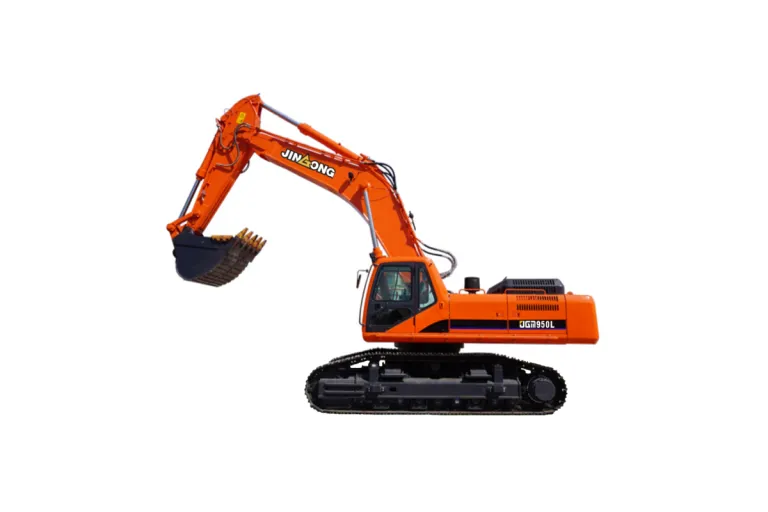
Hydraulic excavators are versatile machines used for various tasks, including digging, lifting, and demolition. They come in different sizes and configurations, making them suitable for different job sites and requirements. Understanding the make-up of these machines is crucial for ensuring safe transportation. Key components include:
- **Boom**: The long arm that extends out and can hold various attachments.
- **Stick**: Connects the boom to the bucket and allows for greater reach.
- **Bucket**: The attachment used for digging or moving materials.
- **Crawler Tracks**: Provide mobility and stability on uneven terrain.
Familiarity with these components will help you assess the excavator's dimensions and weight, which are critical factors in transportation planning.
Pre-Transport Preparations
Before transporting a hydraulic excavator, several preparations must be made to ensure a smooth process:
1. Inspect the Excavator
Conduct a detailed inspection of the excavator to identify any potential issues. Check for:
- Fluid leaks
- Mechanical integrity
- Tire or track condition
2. Gather Necessary Documentation
Ensure you have all essential documents ready, including:
- Ownership papers
- Insurance documentation
- Transport permits (if required)
3. Plan the Route
Consider the best route based on the excavator's size and weight. Be aware of low bridges, weight restrictions, and other potential obstacles that could affect transportation.
Choosing the Right Transportation Method
Selecting an appropriate transportation method is vital for the successful transport of hydraulic excavators. Here are common options:
1. Flatbed Trucks
Flatbed trucks are often used for transporting excavators as they provide easy loading and unloading capabilities. Ensure the truck is rated to handle the excavator's weight.
2. Lowboy Trailers
Lowboy trailers are designed for heavy equipment transport, making them ideal for excavators. Their low height facilitates loading and minimizes the center of gravity during transport.
3. Specialized Equipment Transport Companies
Consider hiring a specialized transport company that understands the unique demands of transporting heavy machinery. They typically have the necessary equipment and experience to ensure safe transport.
Loading the Excavator Safely
Proper loading techniques are essential for preventing accidents and damage during transportation:
1. Use Proper Equipment
Utilize ramps or a crane for loading the excavator onto the transport vehicle. Ensure that these tools are rated for the excavator's weight.
2. Align the Excavator Correctly
Position the excavator parallel to the transport vehicle to facilitate a smooth loading process. Ensure that it is centered to distribute weight evenly.
3. Operator Training
Ensure that the operator loading the excavator is trained and aware of the safety protocols. They should understand how to operate the machine effectively during loading.
Anchoring and Securing the Load
Once the hydraulic excavator is loaded, securing it is crucial to prevent shifting during transport:
1. Use High-Quality Straps
Choose heavy-duty straps or chains designed for securing heavy machinery. Ensure they are rated for the weight of the excavator.
2. Anchor Points
Utilize the built-in anchor points on the excavator for securing straps. This will provide additional stability and reduce the risk of movement.
3. Check Tightness
After securing the excavator, double-check the tightness of all straps and chains to ensure they will not loosen during transit.
Navigating Transportation Regulations
Transporting hydraulic excavators often requires adherence to specific regulations:
1. Size and Weight Restrictions
Verify local laws regarding size and weight limits for transporting heavy equipment on public roads. Non-compliance can result in fines or delays.
2. Transport Permits
In many jurisdictions, special permits are needed for transporting oversized or overweight loads. Research the requirements for your route ahead of time.
3. Route Planning and Notification
Notify local authorities about your transport plans if required, especially if traveling through populated or construction-heavy areas.
Unloading at Destination
The unloading process must be as safe and efficient as the loading process:
1. Prepare the Unloading Area
Ensure the unloading area is clear of obstacles and has stable ground to support the excavator.
2. Communicate Effectively
Use hand signals or communication devices to ensure everyone involved in the unloading process is aware of their roles and responsibilities.
3. Follow a Step-by-Step Procedure
Carefully execute the unloading process, using ramps or cranes as necessary. Ensure the excavator is stable before the operator exits the machine.
Frequently Asked Questions
1. What is the average cost to transport a hydraulic excavator?
The cost varies based on distance, weight, and local regulations, but expect costs to range from $1.50 to $5.00 per mile.
2. Do I need a special license to transport heavy equipment?
In many areas, a commercial driver's license (CDL) is required, especially for oversized loads. Check local regulations to confirm.
3. How do I prepare my excavator for transport?
Inspect the machine for leaks, secure all loose parts, and ensure all fluids are filled appropriately.
4. What should I do if I encounter road obstacles during transport?
Have a contingency plan in place, which may include alternative routes or notifying local authorities for assistance.
5. Can I transport an excavator without a professional service?
While it is possible, it is generally safer and more efficient to hire professionals experienced in heavy equipment transport.
Conclusion
Transporting hydraulic excavators safely and efficiently is a multifaceted process that requires diligence and attention to detail. From pre-transport inspections to securing the equipment during transit, each step is critical to ensuring that the excavator arrives at its destination in optimal condition. By following best practices, understanding necessary regulations, and leveraging the right resources, you can achieve a smooth transportation experience. Investing time and effort in the transportation process will not only save you from potential headaches but also enhance the overall productivity of your projects.









Most popular construction machine manufacturer since 1979 — JGM Machine