

HUATAO GROUP
BLOGS
Most popular construction machine manufacturer since 1979 — JGM Machine
VIEW PRODUCTSscroll down
From Digging to Lifting: The Multifunctionality of Mini Excavators
From Digging to Lifting: The Multifunctionality of Mini Excavators
Table of Contents
1. Introduction to Mini Excavators
2. The Benefits of Mini Excavators in Construction
3. Key Features of Mini Excavators
4. Multifunctional Attachments for Mini Excavators
4.1 Digging Attachments
4.2 Lifting Attachments
4.3 Other Useful Attachments
Dec 06,2025

From Digging to Lifting: The Multifunctionality of Mini Excavators
Table of Contents
- 1. Introduction to Mini Excavators
- 2. The Benefits of Mini Excavators in Construction
- 3. Key Features of Mini Excavators
- 4. Multifunctional Attachments for Mini Excavators
- 5. Applications of Mini Excavators in Different Industries
- 6. Choosing the Right Mini Excavator for Your Needs
- 7. Maintenance Tips for Mini Excavators
- 8. Frequently Asked Questions
- 9. Conclusion
1. Introduction to Mini Excavators
Mini excavators have become a staple in the construction and landscaping industries due to their compact size and remarkable versatility. These machines can navigate through tight spaces where larger excavators cannot operate, yet they pack a powerful punch when it comes to performance. With the capability to dig trenches, lift heavy materials, and perform various tasks, mini excavators have revolutionized the way we approach small to medium-sized projects.
As the demand for efficient machinery increases, understanding the multifunctional capabilities of mini excavators becomes essential for contractors and operators. This article will explore the various applications, benefits, and specialized attachments that enhance the functionality of these impressive machines.
2. The Benefits of Mini Excavators in Construction
The advantages of using mini excavators extend beyond their size. Below are some of the most compelling benefits:
2.1 Compact Size
Due to their smaller footprint, mini excavators can easily maneuver in confined spaces, making them ideal for urban construction projects or residential landscaping. Their ability to access narrow pathways allows operators to complete jobs in locations where larger machinery would be impractical.
2.2 Cost-Effectiveness
Mini excavators typically have lower operating costs than full-sized excavators. They require less fuel, maintenance, and labor, making them a cost-effective choice for contractors and DIY enthusiasts alike.
2.3 Versatile Applications
From digging foundations to lifting heavy materials, the multifunctionality of mini excavators allows them to adapt to various tasks. Their versatility makes them invaluable assets on any job site.
2.4 Ease of Operation
Most mini excavators are designed with user-friendly controls, making them accessible for operators of all experience levels. This ease of use contributes to increased productivity and efficiency on the job.
3. Key Features of Mini Excavators
Understanding the key features that differentiate mini excavators from other equipment can help in selecting the right model for specific tasks. Here are some essential features to consider:
3.1 Hydraulic Systems
Mini excavators are equipped with advanced hydraulic systems that provide powerful digging and lifting capabilities. The hydraulic arms allow for precise control, enhancing the overall performance of the machine.
3.2 Swing Functionality
Many mini excavators come with a swing boom feature that allows the operator to swing the arm at a 180-degree angle. This function is essential for maximizing productivity in tight spaces, as it allows for effective repositioning without moving the entire machine.
3.3 Adjustable Tracks
Adjustable tracks improve stability and mobility, enabling mini excavators to operate on various terrain types. Wider tracks provide better flotation on soft ground, reducing the risk of getting stuck.
3.4 Operator Comfort
Modern mini excavators prioritize operator comfort with spacious cabs, ergonomic seating, and climate control features. A comfortable operator is a productive operator, leading to better job performance.
4. Multifunctional Attachments for Mini Excavators
One of the standout features of mini excavators is their ability to utilize a wide range of attachments. This capability significantly expands their functionality. Below are some key attachments that enhance the versatility of mini excavators:
4.1 Digging Attachments
**Digging buckets** are the most common attachments used with mini excavators. Available in various sizes and shapes, they are designed for different types of digging tasks, including trenching and excavation.
4.2 Lifting Attachments
Mini excavators can also be outfitted with **lifting attachments** such as hooks and forks. This functionality allows them to lift and transport materials like timber, pallets, and other heavy items, adding to their versatility on the job site.
4.3 Other Useful Attachments
Additional attachments, such as **augers** for drilling holes, **thumbs** for grasping objects, and **hydraulic breakers** for demolition tasks, further increase the multifunctionality of mini excavators. The ability to switch between these attachments quickly makes mini excavators a flexible choice for diverse applications.
5. Applications of Mini Excavators in Different Industries
Mini excavators are utilized across various industries due to their adaptability. Here are some of the key sectors that benefit from their multifunctionality:
5.1 Construction
In construction, mini excavators play an integral role in site preparation, foundation digging, and trenching. Their ability to work in limited space makes them ideal for residential projects.
5.2 Landscaping
Landscapers rely on mini excavators for tasks such as grading, planting trees, and creating decorative features. Their versatility enables them to perform precise work in gardens and yards.
5.3 Utility Work
In utility installation and maintenance, mini excavators are used for digging around buried lines, conduits, and other infrastructure. Their compact size helps reduce the risk of damaging existing systems.
5.4 Demolition
Mini excavators equipped with specialized attachments can be used for light demolition tasks, such as breaking concrete and removing debris. This application is especially useful for renovations or small-scale demolition projects.
6. Choosing the Right Mini Excavator for Your Needs
Selecting the right mini excavator involves considering several factors, including project requirements, terrain, and budget. Here’s a guide to help make the decision easier:
6.1 Assessing Project Requirements
Evaluate the specific tasks you need the mini excavator for, such as digging, lifting, or demolition. Understanding the scope of your project will help determine the required specifications.
6.2 Terrain Considerations
Consider the type of terrain where the mini excavator will operate. For soft or uneven ground, a machine with wider tracks may be necessary for stability and mobility.
6.3 Budget Constraints
Mini excavators come in a range of prices, so it’s essential to set a budget before making a decision. Remember to account for potential attachment costs and maintenance in your overall budget.
7. Maintenance Tips for Mini Excavators
Proper maintenance is crucial for extending the life of a mini excavator and ensuring optimal performance. Here are essential maintenance tips:
7.1 Regular Inspections
Conduct routine inspections of the hydraulic systems, tracks, and attachments to identify any potential issues before they become significant problems.
7.2 Keep It Clean
Cleaning the machine regularly prevents dirt and debris from accumulating, which can lead to wear and tear. Ensure that filters and screens are clean to maintain performance.
7.3 Lubrication
Adequate lubrication of moving parts is vital for smooth operation. Regularly check and replace lubricants according to the manufacturer’s recommendations.
8. Frequently Asked Questions
8.1 What is the typical operating weight of a mini excavator?
Most mini excavators weigh between 1,500 to 10,000 pounds, depending on the model and specifications.
8.2 Can mini excavators be used for larger projects?
While mini excavators excel in small to medium projects, they can also handle larger tasks when equipped with the right attachments and operated by skilled personnel.
8.3 How do I transport a mini excavator?
Mini excavators can be transported on a trailer or flatbed truck. Ensure that the machine is securely fastened to prevent movement during transit.
8.4 What safety precautions should be taken when operating a mini excavator?
Safety precautions include wearing appropriate personal protective equipment (PPE), understanding the machine’s controls, and ensuring the work area is clear of obstacles.
8.5 Are mini excavators environmentally friendly?
Many modern mini excavators are designed to comply with emission standards, making them a more environmentally friendly choice compared to older machinery.
9. Conclusion
Mini excavators are transforming the landscape of construction and landscaping industries with their unmatched versatility and efficiency. From digging and lifting to their array of specialized attachments, these machines have proven to be indispensable tools for a broad range of applications. By understanding the benefits, features, and maintenance requirements, operators can maximize their productivity and achieve superior results on every job site. Whether you are a contractor or a DIY enthusiast, investing in a mini excavator will undoubtedly enhance your operational capabilities.

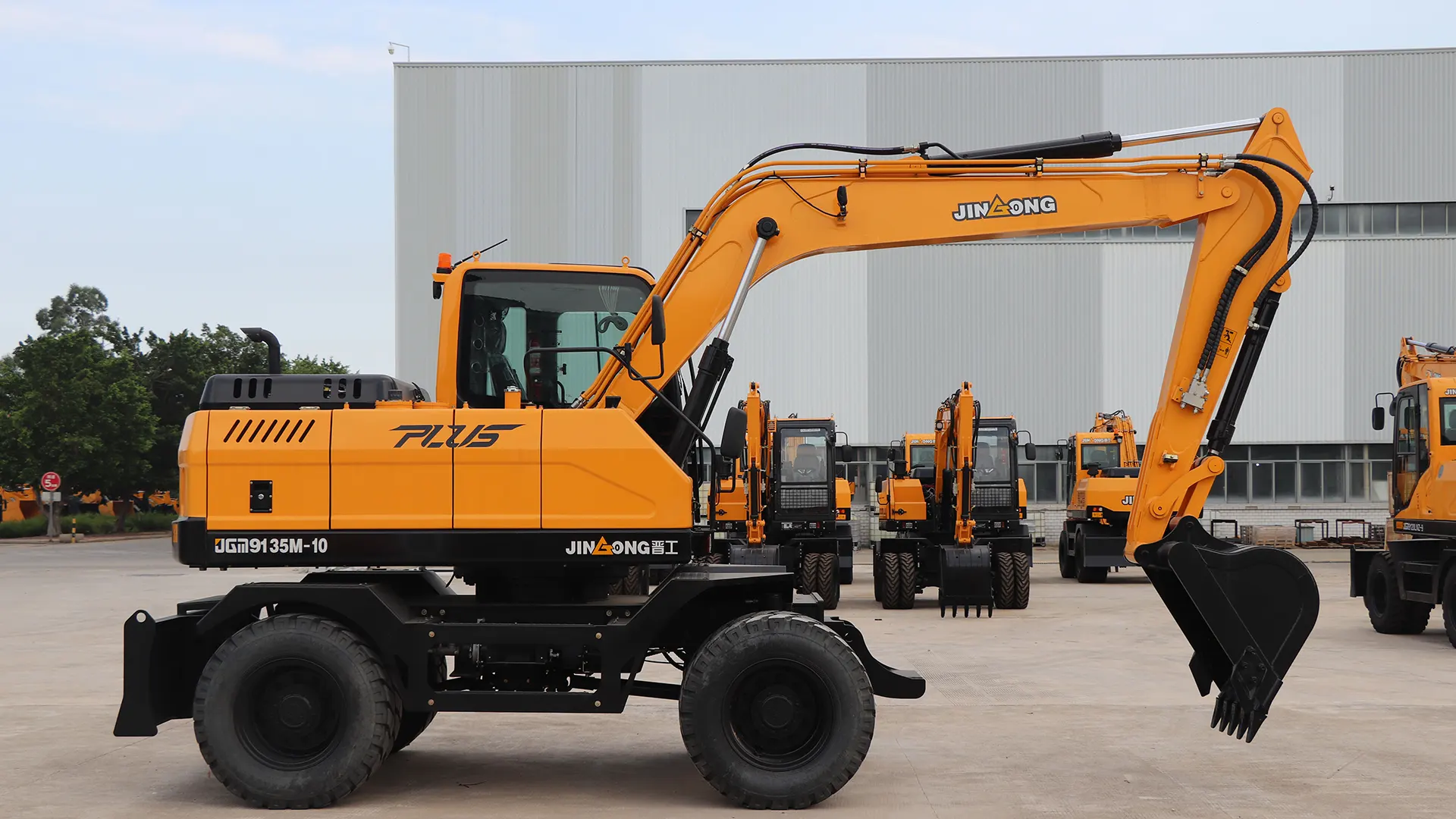









Most popular construction machine manufacturer since 1979 — JGM Machine