

HUATAO GROUP
BLOGS
Most popular construction machine manufacturer since 1979 — JGM Machine
VIEW PRODUCTSscroll down
The Ultimate Comparison: Backhoe Excavator Loader vs. Traditional Excavators
The Ultimate Comparison: Backhoe Excavator Loader vs. Traditional Excavators
Table of Contents
1. Introduction to Excavating Machinery
2. Understanding the Backhoe Excavator Loader
3. Overview of Traditional Excavators
4. Key Differences Between Backhoe Loaders and Traditional Excavators
5. Advantages of Backhoe Excavator Loaders
6. Benefits of Traditional Excavators
7
Nov 26,2025

The Ultimate Comparison: Backhoe Excavator Loader vs. Traditional Excavators
Table of Contents
- 1. Introduction to Excavating Machinery
- 2. Understanding the Backhoe Excavator Loader
- 3. Overview of Traditional Excavators
- 4. Key Differences Between Backhoe Loaders and Traditional Excavators
- 5. Advantages of Backhoe Excavator Loaders
- 6. Benefits of Traditional Excavators
- 7. Cost Analysis of Backhoe Loaders vs. Traditional Excavators
- 8. Applications in Different Industries
- 9. Frequently Asked Questions
- 10. Conclusion
1. Introduction to Excavating Machinery
In the realm of construction and engineering, choosing the right machinery is paramount for success. Among the most versatile and crucial tools in this sector are **excavators**, specifically the **Backhoe Excavator Loader** and **traditional excavators**. Understanding these machines' capabilities, functionalities, and ideal applications can greatly influence project efficiency and cost-effectiveness. This article delves into a comprehensive comparison between the two, ensuring you make an informed decision tailored to your specific needs.
2. Understanding the Backhoe Excavator Loader
The **Backhoe Excavator Loader**, often simply known as a backhoe, is a multi-functional piece of equipment featuring a loader bucket on the front and a backhoe on the rear. It is designed for tasks such as digging, lifting, and loading materials. The versatility of backhoes makes them suitable for various applications, from residential landscaping to large construction projects.
2.1 Key Features of Backhoe Excavator Loaders
- **Dual Functionality**: The combination of the front loader and rear digging arm enables operators to execute multiple tasks without needing to switch machines.
- **Compact Size**: Backhoes are generally smaller than traditional excavators, making them ideal for tight spaces and urban settings.
- **Mobility**: Equipped with wheels, backhoe loaders can easily navigate roads and job sites without the need for transport vehicles.
3. Overview of Traditional Excavators
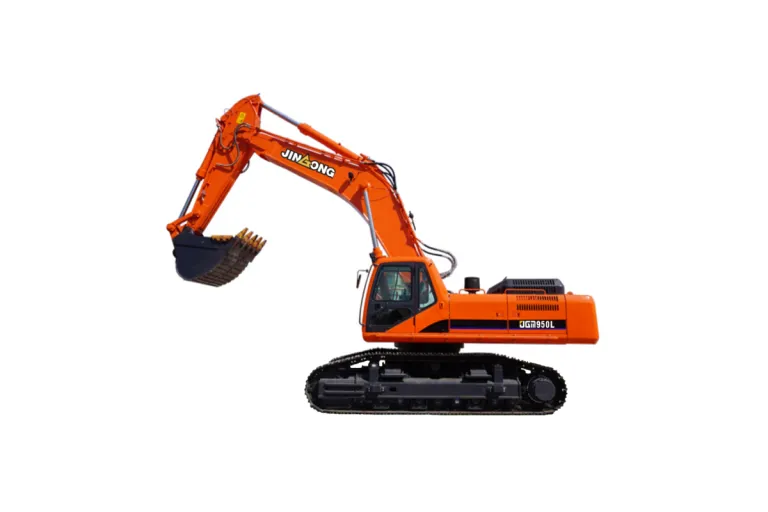
Traditional excavators, typically characterized by their long arm and rotating cab, are powerful machines designed primarily for heavy-duty digging and construction tasks. They are widely used in various industries, including mining, civil engineering, and infrastructure development.
3.1 Key Features of Traditional Excavators
- **Increased Digging Depth**: Traditional excavators are engineered to reach greater depths compared to backhoe loaders, making them suitable for more extensive excavation work.
- **Higher Lifting Capacity**: With robust hydraulic systems, traditional excavators can lift heavier loads, benefiting projects requiring substantial material movement.
- **Versatility in Attachments**: These machines can be equipped with various attachments, such as hydraulic hammers and grapples, enhancing their functionality on-site.
4. Key Differences Between Backhoe Loaders and Traditional Excavators
Understanding the differences between backhoe loaders and traditional excavators is crucial for selecting the appropriate machinery for your project.
4.1 Size and Mobility
Backhoe loaders are generally smaller and more maneuverable, making them suitable for confined spaces. In contrast, traditional excavators, while powerful, require more space to operate efficiently.
4.2 Depth and Reach
When it comes to digging depth, traditional excavators excel, often capable of reaching depths over 20 feet, whereas backhoe loaders typically reach around 14 feet.
4.3 Versatility of Tasks
Backhoe loaders are ideal for lighter tasks like landscaping, small digging projects, and loading materials. Traditional excavators are designed for heavy-duty tasks such as large-scale earth moving, trenching, and demolition.
4.4 Cost Implications
Backhoe loaders tend to be less expensive than traditional excavators, both in purchase price and maintenance costs. However, traditional excavators may provide more value for large-scale projects requiring extensive digging.
5. Advantages of Backhoe Excavator Loaders
The utilization of backhoe excavator loaders comes with several benefits:
5.1 Cost-Effectiveness
Given their versatility, backhoe loaders can often accomplish tasks that would otherwise require multiple machines, reducing overall equipment costs.
5.2 Efficiency in Small Projects
For small to medium-sized projects, backhoe loaders provide the necessary power and functionality without overwhelming operators or job sites.
5.3 Ease of Use
Backhoe loaders are user-friendly, making them accessible to both seasoned operators and beginners, enhancing productivity on the job site.
6. Benefits of Traditional Excavators
While backhoe loaders are versatile, traditional excavators also offer distinct advantages:
6.1 Superior Digging Capability
For projects that require deep excavations and significant earth moving, traditional excavators deliver unmatched performance.
6.2 Enhanced Load Capacity
Traditional excavators can handle larger and heavier loads, making them essential for extensive construction operations.
6.3 Specialized Attachments
With a wide array of attachments available, traditional excavators can be customized to handle various tasks, from shearing rock to performing demolition work.
7. Cost Analysis of Backhoe Loaders vs. Traditional Excavators
When considering equipment for your project, understanding the financial implications is critical. Here’s a detailed cost comparison:
7.1 Initial Purchase Price
Backhoe loaders generally have a lower upfront cost compared to traditional excavators, making them an attractive option for smaller companies or projects.
7.2 Operating Costs
Backhoe loaders typically consume less fuel and require less maintenance than traditional excavators, leading to lower operating costs over time.
7.3 Resale Value
Both machines can retain significant resale value, but traditional excavators may offer better long-term returns due to their demand for extensive projects.
8. Applications in Different Industries
Both backhoe loaders and traditional excavators find applications across various sectors:
8.1 Construction
In construction, backhoe loaders excel in residential projects, while traditional excavators dominate large-scale commercial developments.
8.2 Agriculture
Backhoe loaders are frequently used for agricultural tasks like digging irrigation channels, while traditional excavators are employed for land clearing and preparation.
8.3 Mining and Quarrying
Traditional excavators are essential in mining for their ability to lift heavy materials and operate in challenging terrains.
9. Frequently Asked Questions
9.1 What is the primary difference between backhoe loaders and traditional excavators?
The primary difference lies in their functionality. Backhoe loaders are versatile machines suitable for various tasks, while traditional excavators are designed for heavy-duty digging and lifting.
9.2 Which machine is better for small projects?
Backhoe excavator loaders are generally better suited for small projects due to their compact size and dual functionality.
9.3 Are traditional excavators more expensive to maintain?
Typically, traditional excavators may incur higher maintenance costs due to their complexity and heavier use in demanding environments.
9.4 Can backhoe loaders be used for demolition?
Yes, backhoe loaders can be equipped with specialized attachments for demolition tasks, although traditional excavators are often more effective for larger demolition projects.
9.5 How do I choose between a backhoe loader and a traditional excavator?
Consider project size, required digging depth, budget, and whether the tasks involve lighter or heavier earth moving. For multi-functional needs, a backhoe loader may be preferred, while traditional excavators are best for extensive excavation work.
10. Conclusion
When it comes to selecting the right excavating machinery for your construction projects, understanding the nuances between Backhoe Excavator Loaders and Traditional Excavators is crucial. Backhoe loaders offer versatility and cost-effectiveness, making them ideal for smaller tasks, while traditional excavators excel in heavy-duty operations requiring deep digging and substantial load handling. By assessing your specific project requirements, budget constraints, and operational needs, you can make an informed choice that maximizes efficiency and productivity on your job site. Whether you opt for the compact agility of a backhoe or the power of a traditional excavator, both machines are invaluable assets for modern construction and engineering endeavors.









Most popular construction machine manufacturer since 1979 — JGM Machine