

HUATAO GROUP
BLOGS
Most popular construction machine manufacturer since 1979 — JGM Machine
VIEW PRODUCTSscroll down
The Future of Construction: Innovations in Wheeled Excavator Technology
The Future of Construction: Innovations in Wheeled Excavator Technology
Table of Contents
1. Introduction to Wheeled Excavators
2. The Evolution of Wheeled Excavator Technology
3. Current Innovations in Wheeled Excavators
4. The Role of Smart Technology in Excavators
5. Enhancing Sustainability in Construction
6. Case Studies: Successful Implementation of Wheeled Excavator
May 30,2025

The Future of Construction: Innovations in Wheeled Excavator Technology
Table of Contents
- 1. Introduction to Wheeled Excavators
- 2. The Evolution of Wheeled Excavator Technology
- 3. Current Innovations in Wheeled Excavators
- 4. The Role of Smart Technology in Excavators
- 5. Enhancing Sustainability in Construction
- 6. Case Studies: Successful Implementation of Wheeled Excavators
- 7. The Future Trends in Wheeled Excavator Technology
- 8. FAQs About Wheeled Excavator Technology
- 9. Conclusion
1. Introduction to Wheeled Excavators
Wheeled excavators represent a significant advancement in construction machinery, offering unparalleled versatility and efficiency in urban environments. Unlike their tracked counterparts, wheeled excavators provide enhanced mobility on paved surfaces, making them ideal for projects in congested areas.
As the construction industry evolves, the demand for innovative solutions like wheeled excavators continues to grow. With their ability to combine power and precision, these machines are increasingly integral to modern construction practices. This article explores the latest innovations in wheeled excavator technology and how they are shaping the future of construction.
2. The Evolution of Wheeled Excavator Technology
The history of wheeled excavators dates back several decades, with early models focusing primarily on basic digging capabilities. Over time, advancements in hydraulic systems, engine technology, and materials science have transformed these machines.
**Key Milestones in Wheeled Excavator Development:**
- **1970s:** Introduction of hydraulic systems that enhanced digging power and precision.
- **1990s:** The advent of computer-aided design (CAD) for improved machine ergonomics.
- **2000s:** Integration of GPS and telematics systems for real-time data monitoring and machine management.
- **2010s:** Enhanced focus on fuel efficiency and emission reductions, leading to eco-friendly models.
Today, wheeled excavators are equipped with cutting-edge technology that not only improves performance but also enhances operator safety and comfort.
3. Current Innovations in Wheeled Excavators
Recent innovations in wheeled excavators focus on improving efficiency, safety, and environmental impact. Here are some of the most notable advancements:
3.1 Enhanced Mobility
Modern wheeled excavators are designed for quick mobility, allowing them to navigate various terrains with ease. Features such as **articulated steering** and **variable wheel configurations** enable operators to perform tasks efficiently in tight spaces.
3.2 Advanced Hydraulic Systems
The latest hydraulic systems offer improved response times and precision. **Load-sensing hydraulics** adjust the flow of fluid based on the load requirements, enhancing both performance and fuel efficiency.
3.3 Increased Operator Comfort
Cab designs have also evolved, incorporating ergonomic seats, **advanced climate control**, and **user-friendly controls**. These enhancements contribute to greater productivity and reduced operator fatigue over long working hours.
3.4 Eco-Friendly Technology
Manufacturers are increasingly focusing on sustainability by developing models that meet stringent emission standards. Innovations such as **hybrid engines** and **biofuel compatibility** help reduce the carbon footprint of wheeled excavators.
4. The Role of Smart Technology in Excavators
The integration of smart technology into wheeled excavators is a game-changer for the construction industry. These advancements allow for greater automation and efficiency.
4.1 GPS and Telematics
GPS technology enables precise positioning and navigation, allowing operators to work more efficiently. **Telematics systems** provide real-time data on machine performance, fuel consumption, and maintenance needs, enabling proactive management and reducing downtime.
4.2 Automation and Robotics
Automation technologies are increasingly being incorporated into wheeled excavators. Features such as **auto-grade control** and **remote operation** allow operators to perform complex tasks with minimal manual input, improving accuracy and reducing labor costs.
4.3 Safety Enhancements
Smart technology also contributes to safety. Innovations like **360-degree cameras**, **proximity detection systems**, and **automatic shutdown features** help prevent accidents and ensure a safer work environment for operators and surrounding personnel.
5. Enhancing Sustainability in Construction
As the construction industry faces increasing pressure to reduce its environmental impact, wheeled excavators are at the forefront of sustainable practices.
5.1 Fuel Efficiency Innovations
Modern engines in wheeled excavators are designed for optimal fuel efficiency. Advanced technologies like **dynamic fuel management systems** adjust engine performance based on load requirements, significantly reducing fuel consumption.
5.2 Use of Recycled Materials
Wheeled excavators play a critical role in recycling efforts within construction projects. They are equipped to handle **recycled materials**, such as crushed concrete and asphalt, facilitating sustainable building practices.
5.3 Waste Reduction Techniques
The integration of **smart waste management systems** helps construction sites minimize waste and improve recycling rates. Wheeled excavators can be programmed to sort materials efficiently, ensuring that reusable resources are identified and preserved.
6. Case Studies: Successful Implementation of Wheeled Excavators
Examining real-world applications of wheeled excavators provides insight into their effectiveness and versatility.
6.1 Urban Development Projects
In dense urban environments, wheeled excavators have been instrumental in various development projects. For example, during the construction of a high-rise building in a metropolitan area, a wheeled excavator was used to excavate the foundation while navigating narrow streets and operating in confined spaces.
6.2 Infrastructure Rehabilitation
Wheeled excavators have also played a crucial role in infrastructure rehabilitation projects. Their ability to quickly move from site to site while performing tasks such as road repairs and utility upgrades makes them invaluable to public works departments.
7. The Future Trends in Wheeled Excavator Technology
Looking ahead, several trends are shaping the future of wheeled excavator technology.
7.1 Electrification
The shift toward **electric-powered excavators** is gaining momentum. This trend aligns with global sustainability goals and offers significant reductions in noise and emissions, particularly in urban settings.
7.2 Increased Customization
Future wheeled excavators will likely feature more customizable options to meet the specific needs of different applications. Modular designs will allow operators to easily swap attachments and modify equipment configurations.
7.3 Enhanced Connectivity
As the Internet of Things (IoT) continues to expand, wheeled excavators will become even more connected. Enhanced connectivity will enable better data collection and analysis, supporting predictive maintenance and operational efficiency.
8. FAQs About Wheeled Excavator Technology
8.1 What is a wheeled excavator?
A wheeled excavator is a type of construction machinery characterized by its mobility on wheels, allowing it to traverse both job sites and public roads efficiently.
8.2 How does a wheeled excavator differ from a tracked excavator?
Wheeled excavators are designed for speed and mobility, particularly on paved surfaces, while tracked excavators offer better stability and traction on uneven terrain.
8.3 What are the advantages of using a wheeled excavator?
Wheeled excavators provide enhanced maneuverability, faster travel speed, less ground disturbance, and improved fuel efficiency compared to tracked models.
8.4 What innovations are currently impacting wheeled excavator technology?
Recent innovations include advanced hydraulic systems, smart technology integration, eco-friendly features, and improvements in operator comfort.
8.5 What is the future of wheeled excavator technology?
The future trends include electrification, increased customization, and enhanced connectivity driven by the IoT, supporting greater efficiency and sustainability in construction.
9. Conclusion
The advancements in wheeled excavator technology are not just reshaping the machinery used in construction; they are redefining how projects are executed. As we continue to explore innovative solutions that enhance efficiency, sustainability, and safety, wheeled excavators will undoubtedly play a pivotal role in the future of construction. With the integration of smart technologies and a focus on eco-friendly practices, the potential for wheeled excavators to revolutionize the construction industry is immense, paving the way for more productive and sustainable practices in the years ahead.


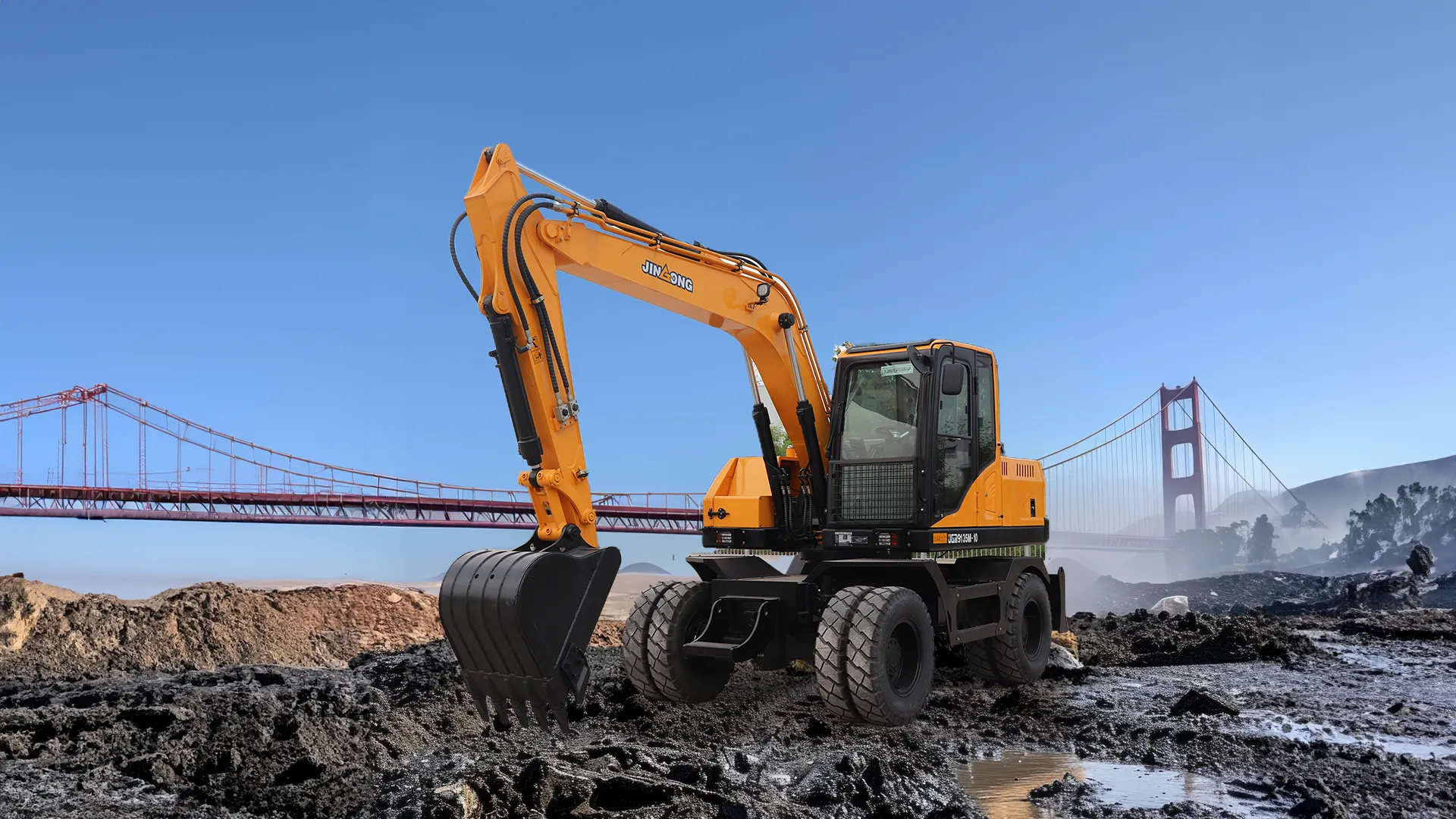








Most popular construction machine manufacturer since 1979 — JGM Machine